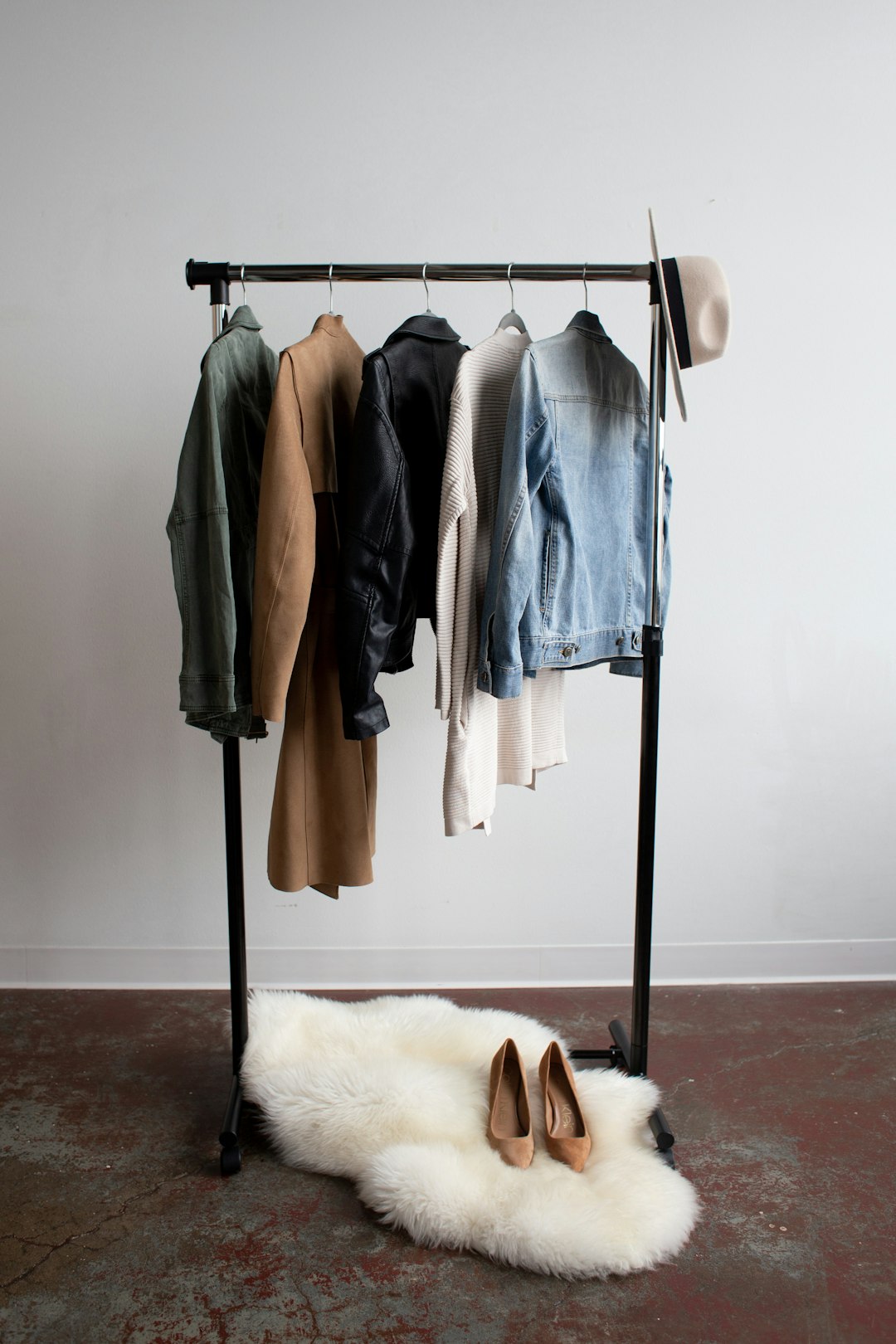
While a well-curated capsule wardrobe of quality basics provides the essential foundation for versatile dressing, accessories transform these simple pieces into distinctive, personalized outfits. Strategic accessorizing allows you to express creativity, adapt to different occasions, and multiply your outfit possibilities exponentially without expanding your core wardrobe. The right accessories can elevate a basic t-shirt and jeans combination to polished sophistication or add professional authority to casual pieces, making them among your wardrobe's hardest-working investments.
Understanding which accessories deliver maximum versatility, how to select pieces that complement rather than complicate your wardrobe, and developing the skill to combine accessories effectively separates successful capsule wardrobe styling from simply owning basic clothes. This comprehensive guide explores the strategic approach to building an accessory collection that enhances your capsule wardrobe while maintaining the minimalist principles that make this approach so effective.
The Role of Accessories in Capsule Wardrobes
Accessories serve multiple critical functions within capsule wardrobe systems. First, they multiply outfit combinations dramatically. A simple white button-down and navy trousers create one basic outfit, but adding different scarves, jewelry, belts, and bags transforms this foundation into dozens of distinct looks appropriate for various occasions and moods.
Second, accessories allow trend experimentation without compromising your timeless wardrobe foundation. While your core pieces remain classic and enduring, accessories can incorporate current trends in manageable doses. A trendy bag or statement jewelry piece updates your entire wardrobe temporarily without requiring you to replace foundational garments or abandon the minimalist capsule approach.
Third, accessories provide the primary avenue for personal expression within simplified wardrobes. When your clothes consist mainly of versatile neutrals and classic silhouettes, accessories become the signature elements that make your style distinctly yours. The specific scarves you choose, your jewelry preferences, and your bag style all communicate personal aesthetic in ways that basic clothing items cannot.
Finally, quality accessories often prove more cost-effective than clothing for wardrobe refreshment. A new scarf or belt costs significantly less than a new jacket or pair of trousers while delivering comparable impact on your overall appearance. This economic efficiency aligns perfectly with capsule wardrobe principles of maximizing value and minimizing waste.
Building Your Essential Accessory Collection
Like your clothing capsule, your accessory collection benefits from strategic planning rather than random accumulation. Begin by identifying the essential accessory categories that support your lifestyle, then select versatile pieces within each category that coordinate with your existing wardrobe colors and aesthetic.
Bags represent perhaps the most important accessory category, as you typically carry one daily. For a complete capsule accessory wardrobe, aim for three bags: a structured everyday bag in neutral leather or quality synthetic, a casual crossbody or tote for weekends and errands, and an evening clutch or small bag for special occasions. Choose neutral colors—black, brown, tan, or navy—that coordinate with your clothing palette. Quality matters immensely with bags; they endure significant wear and inferior construction shows quickly.
Shoes function as both necessity and accessory. A capsule shoe wardrobe typically includes: classic leather loafers or oxfords for professional settings, white or neutral sneakers for casual wear, ankle boots for transitional seasons, comfortable flats or low heels for everyday wear, and one pair of dressier heels if your lifestyle requires them. Like bags, prioritize quality over quantity—well-made shoes last years and look better throughout their lifespan than cheap alternatives.
Belts serve both functional and aesthetic purposes. Two quality belts—one brown, one black—in classic widths handle most situations. Choose leather for longevity and timeless appeal. Simple buckles work more versatilely than ornate designs. Ensure belt width suits your body proportions; petite frames look best with narrower belts while taller or larger frames can carry wider styles.
Scarves deliver exceptional versatility relative to their cost and storage requirements. For year-round wear, collect scarves in different weights: lightweight silk or cotton for spring and summer, medium-weight cotton or modal for transitional seasons, and cashmere or wool for winter. Choose colors and patterns that incorporate your wardrobe's neutral palette with potential accent colors. Even simple scarves in solid colors dramatically change an outfit's appearance.
Jewelry: The Personal Touch
Jewelry represents the most personal accessory category, with selections varying dramatically based on individual taste, cultural background, and lifestyle. However, certain principles apply universally when building a capsule jewelry collection.
Begin with metal selection. Choose one primary metal—gold, silver, or rose gold—that flatters your skin tone and personal aesthetic. Warm skin tones typically look best in gold and rose gold, while cool skin tones shine in silver and white gold. Committing to one metal family ensures all your jewelry pieces coordinate, allowing you to layer and combine them freely without color clashing.
For everyday jewelry, quality trumps quantity dramatically. One excellent watch, a pair of versatile earrings, and a simple necklace worn daily make more impact than drawers full of pieces you rarely touch. These everyday pieces should feel comfortable enough for all-day wear while being substantial enough to read as intentional rather than accidental.
Watches combine function and style beautifully. A classic watch with clean design in your chosen metal works across virtually all settings. Leather bands offer traditional elegance, while metal bracelets provide modern simplicity. For versatile wearing, choose faces neither too large nor too small—approximately 36-40mm suits most wrists without overwhelming or disappearing.
Earrings frame your face and often constitute the only jewelry visible when wearing certain outfits. Small studs—diamond, pearl, or simple gold/silver balls—work for daily wear and professional settings. Add slightly larger studs or small hoops for weekend wear. One pair of statement earrings provides options for special occasions. If you prefer bold earrings, keep other jewelry minimal to maintain balance.
Necklaces vary more by personal preference than other jewelry categories. Delicate chains with small pendants suit minimal aesthetics and layer beautifully. Slightly more substantial chains or simple bar necklaces add modern edge. If you wear necklaces daily, choose lengths that work with your most common necklines. Crew necks suit longer chains (20-24 inches), while V-necks accommodate shorter lengths (16-18 inches) effectively.
Bracelets and rings remain optional in capsule accessory wardrobes but offer additional personalization opportunities. Simple bangles, delicate chain bracelets, or classic cuffs coordinate well with minimal wardrobes. For rings, your wedding or engagement rings might comprise your entire collection, or you might add one or two simple bands or stacking rings in your chosen metal.
Seasonal Accessory Adaptations
While your core accessory collection remains consistent year-round, seasonal additions expand functionality and appropriate styling options without abandoning minimalist principles.
Winter accessories focus on warmth and weather protection. A quality wool or cashmere scarf in your neutral palette provides both warmth and style. Choose a generous size that allows multiple wrapping and styling options. Leather gloves in brown or black protect hands while maintaining polished appearance. A classic beanie or wool hat adds warmth for extremely cold climates without excessive bulk.
Spring and summer welcome lighter materials and potentially brighter colors. Cotton or linen scarves provide sun protection and visual interest without excessive warmth. Sunglasses become functional necessities—choose classic shapes in neutral frames that flatter your face shape and coordinate with your overall aesthetic. Wide-brimmed hats offer sun protection while adding sophisticated summer style.
Transitional seasons benefit from medium-weight scarves and versatile layering accessories. This is when your accessory collection earns its keep, allowing you to adapt core clothing pieces across varying temperatures through strategic accessory additions.
The Art of Combining Accessories
Owning quality accessories represents only half the equation—combining them effectively elevates your styling significantly. Several principles guide successful accessory combination.
The classic rule of three suggests selecting three accessory categories per outfit for balanced styling. For example, you might wear earrings, a watch, and a bag; or a scarf, belt, and shoes. This guideline prevents both under-accessorizing (which can appear unfinished) and over-accessorizing (which overwhelms and appears try-hard).
Balance proportions carefully. Statement earrings pair best with minimal necklaces or bare necks. Bold necklaces work beautifully with simple studs or no earrings. When wearing elaborate scarves, keep jewelry simple. This principle of balanced focal points ensures your accessories enhance rather than compete with each other and your outfit.
Consider your outfit's neckline when selecting jewelry. Crew necks pair beautifully with longer necklaces that create vertical lines. V-necks accommodate shorter necklaces that echo the neckline's shape. High necks work best with statement earrings and no necklace, or very long chains that extend below the neckline. Scarves replace necklaces functionally, so avoid wearing both unless the scarf drapes very low.
Match metals when combining multiple jewelry pieces. Mixing metals can work for advanced stylists but generally appears more cohesive when jewelry shares the same metal family. Your watch, earrings, necklace, and rings should all feature the same metal for harmonious appearance.
Use accessories to bridge outfit elements. A brown belt and brown shoes create cohesion when wearing navy trousers and a white top. A scarf incorporating both your shirt and trouser colors unifies the outfit. This bridging technique makes outfits appear more intentional and polished.
Accessories for Occasion Adaptation
One of accessories' most valuable functions involves adapting the same basic outfit to different occasions. Understanding this transformative power maximizes your capsule wardrobe's versatility dramatically.
Take a simple foundation outfit: white button-down, dark jeans, and ankle boots. For casual weekend wear, add a canvas tote, simple studs, and a lightweight scarf. The same outfit becomes work-appropriate with a structured leather bag, slightly more substantial jewelry, and perhaps a belt to define the waist. For evening, swap the ankle boots for heels, add statement earrings, trade the work bag for a clutch, and perhaps include a silk scarf for elegance.
This occasion adaptation requires no clothing changes—only strategic accessory swaps. Building your accessory collection with this adaptability in mind ensures you can dress appropriately for various settings without maintaining separate wardrobes for each.
Professional settings typically call for structured bags, classic shoes, and understated jewelry. Avoid overly trendy accessories or excessive jewelry that might distract in business environments. Quality and classic styling signal competence and professionalism effectively.
Casual settings welcome more relaxed accessories. Canvas bags, sneakers, and playful scarves all work beautifully for weekends and informal gatherings. This is where you might incorporate slightly trendier pieces or more colorful options that would feel inappropriate in professional contexts.
Special occasions demand your most elevated accessories. This doesn't necessarily mean expensive—rather, choose pieces with special materials (silk, fine metals, quality leather) and refined details. Evening bags, dressier shoes, and statement jewelry all transform simple black dresses or tailored separates into event-appropriate outfits.
Maintaining and Storing Accessories
Quality accessories represent significant investments deserving proper care to maximize their lifespan and appearance. Different accessory categories require specific maintenance approaches.
Bags benefit from regular cleaning and conditioning. Wipe leather bags with appropriate cleaners monthly, condition them seasonally, and store them stuffed with tissue to maintain shape when not in use. Keep bags in dust covers to prevent scratching and sun damage. Rotate bags regularly rather than using one constantly—this distributes wear and extends each bag's life.
Shoes require even more maintenance than bags due to ground contact and weather exposure. Clean shoes after each wear, removing dirt and debris before it sets. Condition leather shoes regularly, and use shoe trees to maintain shape. Rotate shoes rather than wearing the same pair daily—leather needs rest time to dry and recover between wears. Resole quality shoes rather than replacing them when wear appears.
Jewelry requires careful storage to prevent tangling, scratching, and tarnishing. Store pieces separately in lined jewelry boxes or soft pouches. Silver tarnishes from air exposure, so keep silver pieces in anti-tarnish cloths or bags. Remove jewelry before showering, swimming, or applying lotions and perfumes—chemicals accelerate wear and tarnishing. Clean jewelry periodically with appropriate solutions to maintain luster.
Scarves should be folded or rolled rather than hung to prevent stretching and distortion. Store them in drawers or boxes where they're protected from sunlight that can fade colors. Wash scarves according to their specific fabric requirements—silk and wool need gentle handling, while cotton and synthetic materials typically tolerate regular machine washing.
Smart Accessory Shopping Strategies
Building a quality accessory collection without overspending requires strategic shopping approaches similar to those used for building your clothing capsule.
Prioritize investment in pieces you'll use daily. Your everyday bag, work shoes, and daily jewelry deserve the highest quality you can afford because they'll see constant wear. Calculate cost per use—a $300 bag worn 200 days annually for five years costs just $0.30 per wear, making it far more economical than a $50 bag requiring replacement after one season.
Consider secondhand shopping for luxury accessories. Designer bags, quality leather goods, and fine jewelry often appear in consignment stores, estate sales, and online resale platforms at fractions of retail prices. These items were built to last and often show minimal wear even after years of use.
Wait for sales for non-urgent accessories. Unlike clothing where sizing and fit can be unpredictable, accessories often fit universally or offer clear sizing guidelines. This makes them safer sale purchases than garments. Many retailers discount accessories significantly during end-of-season sales.
Avoid trendy accessories unless they're inexpensive enough to view as disposable. That neon bag or logo-heavy scarf might feel essential during trend peaks but appears dated once trends shift. If you love trendy pieces, limit them to affordable options you won't regret discarding when the trend passes.
Before purchasing any accessory, identify multiple outfits it will enhance. This exercise prevents accumulating attractive but useless pieces. If you can't immediately imagine wearing the potential purchase with at least three existing outfits, reconsider whether it truly fits your wardrobe needs.
Building Confidence in Accessory Styling
Many people struggle with accessorizing not from lack of options but from uncertainty about what works. Building styling confidence requires practice, experimentation, and learning to trust your instincts.
Start with simple combinations, gradually adding complexity as your confidence grows. Begin with just one accessory category—perhaps a scarf or statement earrings—and master incorporating that single element before adding more. This progressive approach prevents overwhelming yourself while building genuine skill.
Take photos of outfits you love. Whether your own combinations or inspiration from others, maintaining a visual reference library helps you identify patterns in what you find aesthetically pleasing. You'll likely notice recurring themes that reveal your natural style preferences.
Experiment in low-pressure situations. Weekend errands or casual social events provide perfect opportunities to try new accessory combinations without professional or formal stakes. Pay attention to which combinations make you feel confident and which feel uncomfortable—your instincts provide valuable guidance.
Remember that accessorizing, like all style skills, improves with practice. Early attempts might feel awkward or uncertain, but consistent experimentation develops the intuition that makes accessorizing feel effortless. Be patient with yourself during this learning process.
Conclusion: Accessories as Wardrobe Amplifiers
Strategic accessorizing transforms capsule wardrobes from simply functional to genuinely exciting. By thoughtfully curating a collection of quality accessories that coordinate with your core wardrobe while reflecting personal style, you multiply outfit possibilities exponentially without abandoning minimalist principles. The right accessories allow basic pieces to work harder, looking different and fresh with simple swaps rather than requiring constant clothing purchases.
The investment in quality accessories pays dividends in versatility, longevity, and daily satisfaction. Unlike trendy clothing that feels outdated within seasons, classic accessories in premium materials serve your wardrobe for years or even decades. This longevity aligns perfectly with sustainable, intentional consumption that benefits both your budget and the environment.
As you develop your accessory collection and styling skills, you'll discover that the joy of dressing comes not from owning countless options but from mastering the creative combinations possible within thoughtful constraints. This is the true art of accessorizing within capsule wardrobes—using carefully selected pieces to express endless variations of your personal style.