The transition from winter to spring presents one of the most challenging periods for fashion enthusiasts. Unpredictable weather patterns, fluctuating temperatures throughout the day, and the desire to shed heavy winter layers while staying comfortable create a unique styling puzzle. However, with the right approach to layering and strategic capsule wardrobe planning, this seasonal shift can become an opportunity to showcase your versatility and fashion intelligence.
Understanding how to navigate this transitional period is essential for maintaining both style and comfort. The key lies not in completely overhauling your wardrobe but in reimagining how your existing pieces work together. This comprehensive guide will explore proven strategies for seamless seasonal transitions using smart layering techniques that honor both practicality and aesthetics.
Understanding Transitional Weather Challenges
Spring weather in Japan, particularly in regions like Tokyo and Osaka, can be notoriously unpredictable. Morning temperatures might hover around 10°C (50°F), climb to 20°C (68°F) by afternoon, then drop again in the evening. This volatility demands a wardrobe strategy that accommodates rapid temperature changes without requiring complete outfit changes throughout the day.
The traditional approach of storing all winter clothes and bringing out spring pieces simply doesn't work during this transition. Instead, successful seasonal dressing requires identifying pieces that bridge both seasons—items versatile enough to work in layered winter combinations and light enough to stand alone on warmer spring days.
Additionally, spring brings increased precipitation. Rain showers can appear without warning, making water-resistant outer layers essential. Your transitional wardrobe must account for both temperature regulation and weather protection while maintaining a polished appearance appropriate for professional and casual settings alike.
The Foundation: Transitional Base Layers
Your base layer strategy needs to shift from thermal insulation to breathable comfort. During winter, you might rely on merino wool or thermal cotton for base layers. As spring approaches, transition to lighter-weight cotton, linen blends, or technical fabrics that wick moisture while providing just enough warmth for cooler mornings.
Long-sleeve t-shirts in neutral colors become invaluable during this period. Unlike heavy thermal tops, these pieces work comfortably throughout the day. Choose fitted silhouettes that layer smoothly under mid-weight pieces without creating bulk. Natural fibers like cotton and bamboo offer breathability that synthetic materials can't match during temperature fluctuations.
Consider incorporating lightweight turtlenecks in your rotation. A fine-gauge cotton or silk-blend turtleneck provides neck coverage for chilly mornings while remaining comfortable as temperatures rise. These pieces transition seamlessly from base layer to standalone top, offering maximum versatility with minimal wardrobe space.
Tank tops and camisoles also deserve attention as transitional base layers. Worn under cardigans or light sweaters, they allow easy temperature adjustment by removing the outer layer when needed. Opt for longer lengths that stay tucked in, maintaining a polished silhouette throughout the day.
Strategic Mid-Layer Selection
Mid-layers provide the most significant opportunity for seasonal transition flexibility. During this period, heavy wool sweaters give way to lighter knits, cardigans, and versatile button-down shirts. The goal is selecting pieces substantial enough for cooler moments yet breathable enough for warmer periods.
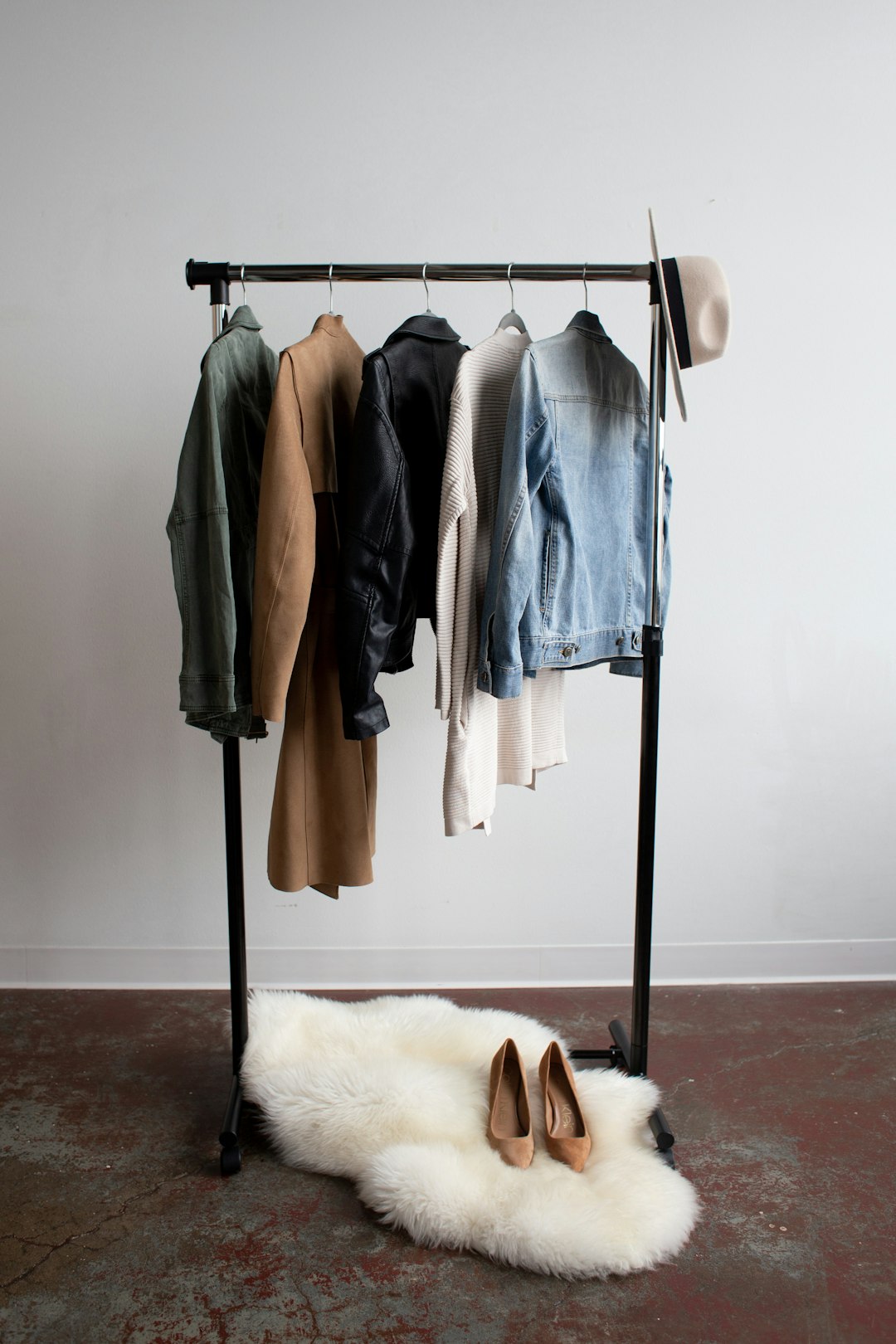
Lightweight cardigans become your best friend during seasonal transitions. Choose styles in merino wool blends or cotton knits that provide warmth without weight. Longer cardigan silhouettes offer additional coverage and styling versatility—wear them open over base layers or cinched with a belt for definition. Neutral colors ensure compatibility with your existing wardrobe pieces.
Chambray and denim shirts deserve special mention for transitional dressing. These medium-weight fabrics bridge the gap between winter warmth and spring lightness perfectly. Wear them buttoned as standalone tops on milder days, or open over base layers for additional warmth. The casual-yet-polished aesthetic suits various settings from office environments to weekend outings.
Blazers and unstructured jackets in lightweight fabrics become essential mid-layer options. Unlike heavy winter blazers, choose styles in cotton, linen blends, or lightweight wool that provide structure without excessive warmth. These pieces elevate casual outfits while remaining comfortable throughout changing temperatures.
Reimagining Outer Layers
Your heavy winter coat naturally retreats to the closet as spring approaches, but completely abandoning outer layers is premature. The key is selecting pieces that protect against spring's unpredictable elements—wind, rain, and temperature drops—without the bulk of winter outerwear.
The trench coat stands as the quintessential transitional outer layer. Its water-resistant fabric protects against spring showers, while the breathable construction prevents overheating. Classic khaki or navy options offer timeless versatility, coordinating effortlessly with your existing wardrobe. Look for styles with removable liners for maximum adaptability across varying temperatures.
Lightweight parkas and anorak-style jackets provide casual alternatives to the traditional trench. Modern designs in technical fabrics offer water resistance and wind protection while maintaining a sleek profile. Choose neutral colors or subtle patterns that complement multiple outfits. These pieces pack easily when temperatures rise, making them ideal for unpredictable spring days.
Don't overlook utility jackets and field coats during this transition. Their multiple pockets provide practical storage while the structured silhouette maintains a polished appearance. Canvas or cotton twill fabrics offer adequate protection without excessive warmth, and the casual aesthetic pairs beautifully with both denim and tailored pieces.
Bottom Half Strategies
While upper body layering receives most attention, your bottom half requires equal consideration during seasonal transitions. The shift from heavy winter trousers and tights to lighter spring options happens gradually, with several versatile pieces facilitating the change.
Medium-weight denim becomes invaluable during this period. Unlike heavy winter denim or lightweight summer styles, mid-weight options provide comfort across temperature ranges. Straight-leg and wide-leg silhouettes offer more breathability than skinny styles while maintaining contemporary aesthetics. Dark washes transition more easily between seasons than light spring washes.
Chinos and cotton trousers in neutral tones offer professional alternatives to denim. These pieces work comfortably in office environments while remaining breathable enough for warmer afternoons. Choose classic cuts in khaki, navy, or olive that coordinate with your existing tops and layers.
For those who wear skirts and dresses, midi lengths provide optimal transitional styling. Pair them with tights or leggings for cooler mornings, transitioning to bare legs as temperatures rise. A-line and wrap silhouettes accommodate layering better than bodycon styles, allowing comfortable movement throughout the day.
Accessory Adaptation
Accessories play a crucial role in successful seasonal transitions. Heavy winter scarves, thick gloves, and warm hats gradually give way to lighter alternatives that provide just enough coverage for unpredictable spring weather.
Lightweight scarves in cotton, silk, or fine wool serve multiple purposes during this transition. They provide neck warmth during cooler moments, add visual interest to simple outfits, and can even protect against unexpected wind or light rain. Choose versatile patterns and colors that complement your capsule wardrobe's neutral foundation.
Footwear deserves special attention during seasonal transitions. While winter boots remain necessary for rainy days, begin incorporating closed-toe flats, loafers, and ankle boots that offer less insulation. Leather and suede options (treated with water protection) bridge the gap between winter warmth and spring lightness effectively.
Bags can also transition seasonally. Medium-sized crossbody bags and totes in versatile materials like leather or durable canvas work across temperature ranges while accommodating the extra layers you might need to carry as weather fluctuates throughout the day.
Color Palette Evolution
While maintaining your capsule wardrobe's neutral foundation, spring transitions offer opportunities to introduce lighter, brighter accents. This doesn't mean abandoning winter's deeper tones entirely—rather, it involves thoughtful integration of seasonal colors.
Begin incorporating pastels and lighter neutrals through accessories and base layers. A pale blue button-down or soft pink cardigan introduces spring freshness while remaining compatible with existing winter neutrals like charcoal, navy, and camel. This gradual color shift feels more natural than abrupt seasonal wardrobe changes.
Earth tones like sage green, terracotta, and warm beige work beautifully during transitional periods. These colors feel fresh for spring while maintaining enough depth to coordinate with winter pieces still in rotation. Consider these hues when adding new transitional pieces to your capsule wardrobe.
Practical Outfit Formulas
Understanding theory is valuable, but practical application brings transitional dressing to life. Here are proven outfit formulas that navigate seasonal changes successfully:
Formula One: The Classic Layer - Start with a lightweight long-sleeve base layer, add a cardigan or light sweater, and top with a trench coat. Pair with medium-weight denim and ankle boots. This combination works for temperatures ranging from 10-18°C, with easy adjustment by removing the cardigan as needed.
Formula Two: The Elevated Casual - Combine a cotton turtleneck with tailored trousers and an unstructured blazer. Add a lightweight scarf for warmth and visual interest. This outfit transitions seamlessly from professional settings to casual weekends.
Formula Three: The Versatile Dress - Wear a midi dress over a fitted long-sleeve top with tights and ankle boots. Layer a denim jacket or utility coat for warmth. As temperatures rise, remove the underlayer and switch to bare legs with closed-toe flats.
Storage and Organization Tips
During transitional periods, your closet houses both winter and spring pieces simultaneously. Effective organization ensures easy access to necessary items while preventing overwhelming clutter.
Implement a rotation system where transitional pieces occupy prime closet real estate while heavy winter items move to less accessible areas. Keep a designated section for pieces that work across seasons—your investment in quality transitional basics pays dividends here.
Use vacuum-sealed bags for bulky winter items you've definitively retired for the season, but keep lighter winter layers accessible. Spring weather can surprise you with unexpected cold snaps, making that lightweight wool sweater necessary even in April.
Conclusion: Embracing Transitional Dressing
Seasonal wardrobe transitions need not feel overwhelming or require significant financial investment. By understanding layering principles, selecting versatile transitional pieces, and implementing strategic outfit formulas, you can navigate the winter-to-spring shift with confidence and style.
Remember that successful transitional dressing prioritizes versatility over volume. A well-curated selection of pieces that work together in multiple combinations serves you better than a closet full of single-purpose items. Invest in quality transitional basics—the lightweight cardigan, versatile trench coat, and medium-weight denim that form the foundation of countless spring outfits.
As you master these transitional techniques, you'll find that seasonal changes become opportunities for creative styling rather than wardrobe crises. The skills you develop during this period—understanding temperature regulation, practicing strategic layering, and maximizing versatility—will serve your personal style throughout the year.